import outdoor furniture from China should help importers, wholesalers, distributors and project purchasing teams make a defined sourcing decision. A defensible landed-cost model separates the supplier quotation from the costs created by packing, inland movement, export handling, ocean or rail transport, insurance, destination clearance, duties, taxes and local delivery. The buyer must calculate from the exact product mix, packing method, Incoterm, origin, destination and quotation date. A generic percentage is not a purchasing decision.
Outdoor furniture creates unusual cost behaviour because volume can matter more than weight. Sofa modules, dining chairs, loungers and shade products use different carton shapes and loading patterns. A lower unit price can produce a higher landed unit cost when the packing plan wastes container space or creates extra destination handling. This updated import outdoor furniture from China guide keeps the existing indexed URL and gives each buyer question a direct, model-aware answer.
- How should buyers use import outdoor furniture from China?
- What belongs in outdoor furniture landed cost?
- How does packing change the cost to import outdoor furniture from China?
- Which Incoterm should a buyer use?
- What landed-cost mistakes create the largest surprises?
- How does outdoor furniture landed cost fit the sourcing workflow?
- What belongs in a import outdoor furniture from China RFQ?
- What proof should a buyer review before ordering?
- Frequently asked questions about import outdoor furniture from China
- Related Yoho Outdoor resources
- Request a decision-ready proposal
How should buyers use import outdoor furniture from China?
import outdoor furniture from China is most useful when the purchasing team connects the article to a brief, named models and an approval process. The buying decision should state the destination market, buyer channel, intended use, quantity, customization, evidence, packing and delivery target. That information lets Yoho Outdoor discuss current options without turning planning assumptions into promises.
| Decision area | Buyer use | What to verify |
|---|---|---|
| Product cost | Approved model, finish, quantity and quotation scope | Currency, validity, tooling, packaging and spare parts |
| Origin cost | Factory-to-port movement and export handling | Incoterm, loading location and included documents |
| Main transport | Ocean, rail or multimodal movement | Equipment type, routing, surcharges and quotation date |
| Destination cost | Clearance, duty, tax, terminal and local delivery | Tariff classification, importer rules and delivery address |
What belongs in outdoor furniture landed cost?
Outdoor furniture landed cost includes every cost required to place saleable goods at the buyer’s chosen destination. Start with the approved supplier price, then add every responsibility not included under the agreed Incoterm. Keep duties and recoverable taxes separate. Record the exchange rate and quotation dates so the model can be refreshed without rebuilding it.
- Use one currency and one unit basis.
- Separate confirmed quotations from planning assumptions.
- Show who owns each cost and risk step.
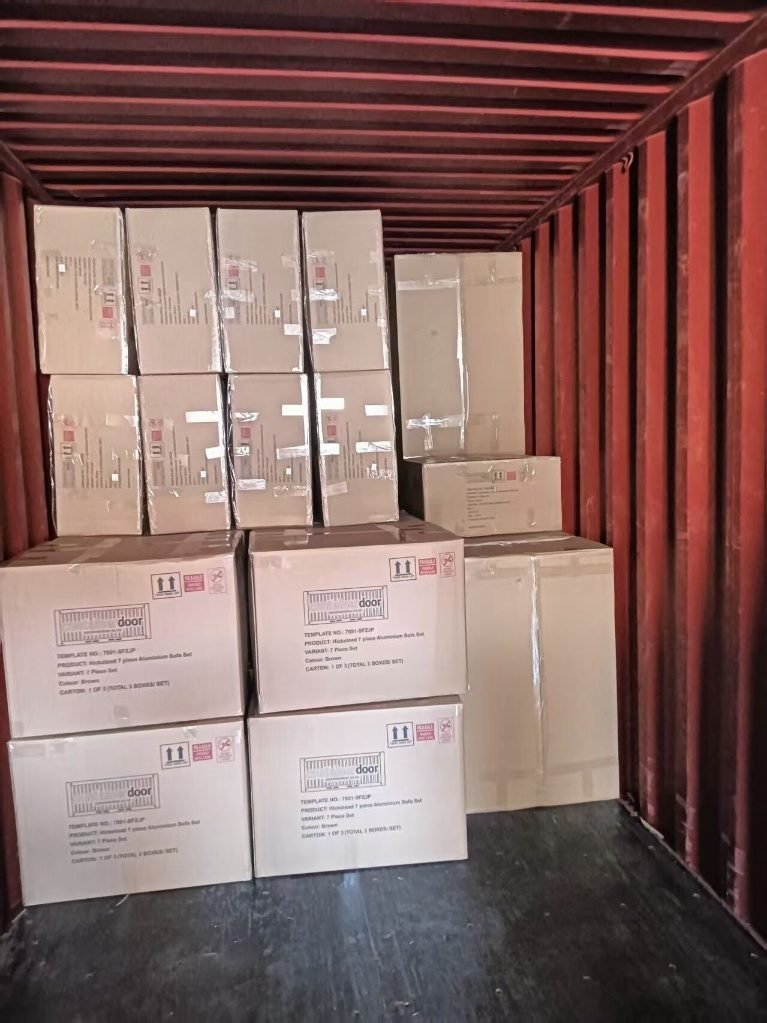
How does packing change the cost to import outdoor furniture from China?
Packing changes landed cost by changing container utilization, damage risk and handling time. Ask for carton dimensions, units per carton, knock-down status, stacking restrictions and a preliminary loading plan. Compare loadability by the real sales mix, not by filling the container with one convenient model. Include protective materials and destination unpacking requirements in the decision.
- Review carton marks and handling orientation.
- Confirm what can stack and what cannot.
- Reserve space for spare parts or mixed samples when required.
Which Incoterm should a buyer use?
The right Incoterm is the term that matches the buyer’s control, experience and service network. The International Chamber of Commerce explains that Incoterms allocate tasks, costs and risks between seller and buyer. A buyer should name the exact rule and place in the contract, then align the freight quotation and insurance plan with that choice. Incoterms do not replace payment, quality or title clauses.
- Name the Incoterm version and location.
- Check the hand-off point against the freight quote.
- Document insurance responsibility separately.
What landed-cost mistakes create the largest surprises?
The largest surprises come from missing destination charges, stale freight assumptions, wrong tariff inputs and unrealistic loading plans. Use a range for costs that are not yet quoted and assign an owner to confirm them. Do not copy a duty rate from another product or country. Before purchase approval, reconcile the commercial invoice description, tariff work, packing list and order specification.
- Refresh volatile costs before the order decision.
- Ask the customs broker to confirm market-specific inputs.
- Run a downside case for route or utilization changes.
How does outdoor furniture landed cost fit the sourcing workflow?
outdoor furniture landed cost should connect product selection with the full wholesale buying path. Use the following sequence and keep a dated record of each approval:
- Step 1: Freeze the model, quantity, finish and packing assumptions.
- Step 2: Confirm the supplier quotation and named Incoterm location.
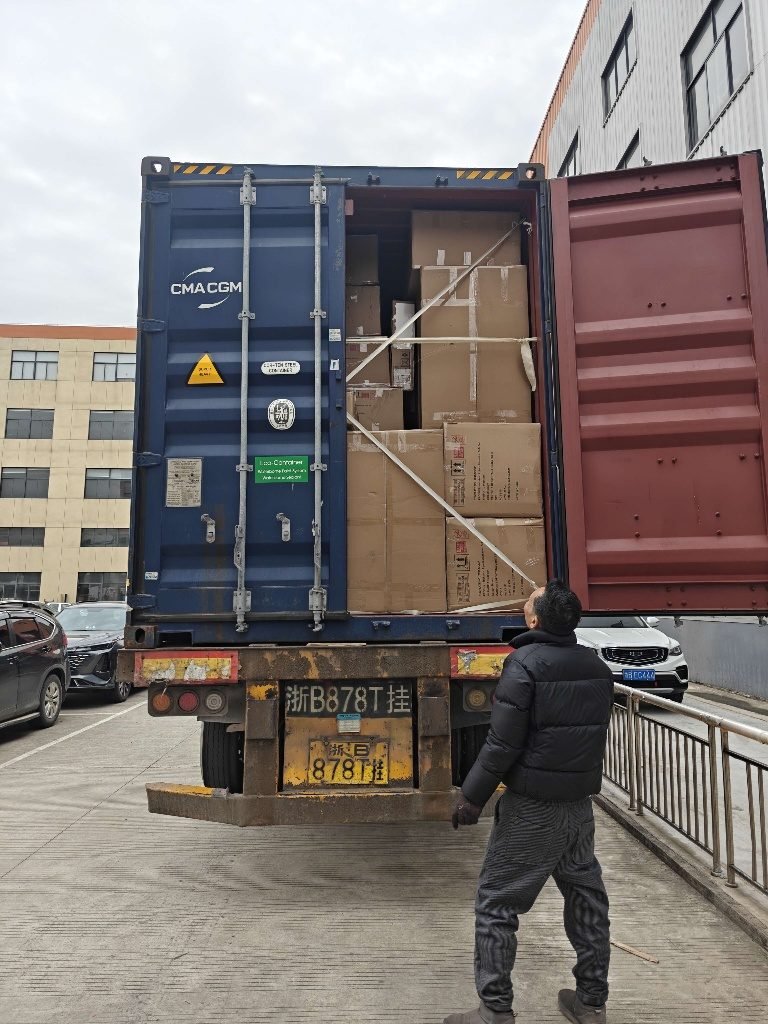
- Step 3: Build a loading estimate for the actual order mix.
- Step 4: Collect freight, clearance, duty and delivery inputs from responsible providers.
- Step 5: Compare base, high and low cases before approving the buy.
What belongs in a import outdoor furniture from China RFQ?
A useful RFQ for an outdoor furniture import cost model should include the following inputs. Missing information can be marked as open, but it should not be silently guessed:
- model and quantity list
- destination port or delivery address
- Incoterm and named place
- packing and labelling requirements
- target shipment window
- documentation requirements
Yoho Outdoor can use these inputs to qualify the request, recommend current models, identify sample needs and prepare the next commercial step. This is how import outdoor furniture from China supports lead quality rather than attracting only general traffic.
What proof should a buyer review before ordering?
Proof should be current, model-specific and traceable. For an outdoor furniture import cost model, the review file should contain:
- dated supplier quotation
- carton and loading data
- freight quotation
- broker tariff confirmation
- destination charge estimate
Use external references for general rules, then apply them to the actual product and market. ICC Incoterms rules provides a useful reference at https://iccwbo.org/business-solutions/incoterms-rules/. The buyer remains responsible for destination-specific legal, customs, installation and compliance advice.
Frequently asked questions about import outdoor furniture from China
What is outdoor furniture landed cost?
It is the full cost of placing the goods at a defined destination, using a defined Incoterm, route, packing plan and market-specific import treatment.
Can a buyer use one landed-cost percentage?
No single percentage works across products and routes. Container utilization, destination charges, tariff treatment and local delivery can change the result materially.
Does FOB include ocean freight?
FOB does not include the main ocean freight. Confirm the named port and use the current ICC Incoterms rules and contract wording for the exact responsibility split.
What information does Yoho Outdoor need for a landed-cost quotation?
Provide the product list, quantities, destination port or address, preferred Incoterm, required packing, target delivery window and any compliance documents.
Related Yoho Outdoor resources
- outdoor furniture container shipping guide
- export workflow
- outdoor furniture MOQ guide
- request a wholesale quotation
Request a decision-ready proposal
Send the model list, quantity, destination and Incoterm so Yoho Outdoor can prepare a quote-ready product and loading input pack. Include import outdoor furniture from China in the inquiry subject so the product and sourcing team can route the request correctly. For questions about outdoor furniture landed cost, identify the models, market and decision deadline.
Contact Yoho Outdoor for a wholesale, OEM/ODM, sample or project discussion.