outdoor furniture container shipping should help importers, distributors, wholesalers, retailers and project buyers make a defined sourcing decision. Outdoor furniture shipping should be planned from the carton and order mix backward, not booked after production is complete. The buyer and supplier need verified carton dimensions, stacking limits, model quantities, assembly method, protective packing, container equipment, document responsibilities and destination constraints. The plan should show how goods are loaded, secured, identified, released and received.
Outdoor furniture logistics has a direct effect on landed cost and claims. Bulky, mixed-shape products can leave unusable space. Glass, tabletops, cushions, hardware and long shade components need different protection and handling. A documented loading plan makes the commercial quotation, production pack-out and warehouse receiving process work from the same data. This updated outdoor furniture container shipping guide keeps the existing indexed URL and gives each buyer question a direct, model-aware answer.
- How should buyers use outdoor furniture container shipping?
- What data is required for outdoor furniture container shipping?
- How should a container loading plan be reviewed?
- Which documents control outdoor furniture logistics?
- How can buyers reduce delivery and claims risk?
- How does outdoor furniture logistics fit the sourcing workflow?
- What belongs in a outdoor furniture container shipping RFQ?
- What proof should a buyer review before ordering?
- Frequently asked questions about outdoor furniture container shipping
- Related Yoho Outdoor resources
- Request a decision-ready proposal
How should buyers use outdoor furniture container shipping?
outdoor furniture container shipping is most useful when the purchasing team connects the article to a brief, named models and an approval process. The buying decision should state the destination market, buyer channel, intended use, quantity, customization, evidence, packing and delivery target. That information lets Yoho Outdoor discuss current options without turning planning assumptions into promises.
| Decision area | Buyer use | What to verify |
|---|---|---|
| Before quotation | Model mix, carton dimensions and destination | Preliminary utilization and logistics scope |
| Before production | Approved packing and marks | Materials, assembly, labels and spare-part location |
| Before loading | Finished quantity and container/equipment confirmation | Load sequence, securing and photo record |
| Before arrival | Document and receiving review | Broker inputs, delivery appointment and unloading plan |
What data is required for outdoor furniture container shipping?
The minimum data set includes finished carton dimensions, gross weight, units per carton, orientation, stacking limit and order quantity. Record knock-down status, hardware location, cushion compression limits, glass or stone protection and any long components. Use the actual order mix when estimating loadability. A single-model theoretical load is not enough for a mixed wholesale order.
- Use final packing data, not product dimensions alone.
- Identify non-stackable or fragile cartons.
- Show where accessories and spare parts are packed.
How should a container loading plan be reviewed?
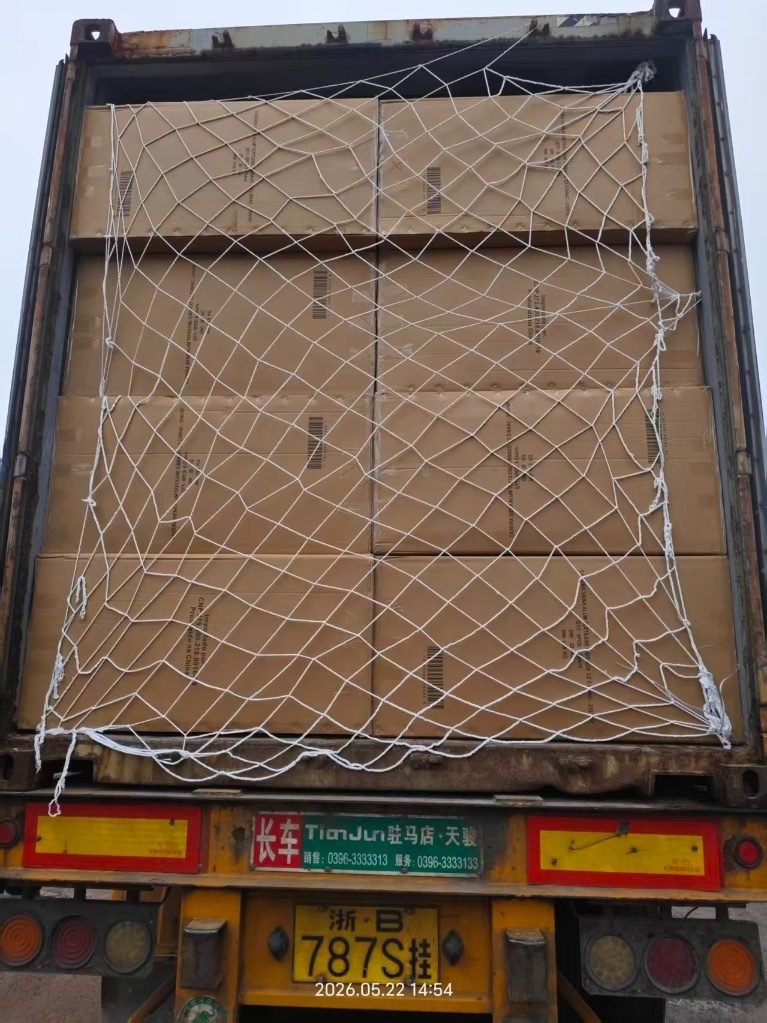
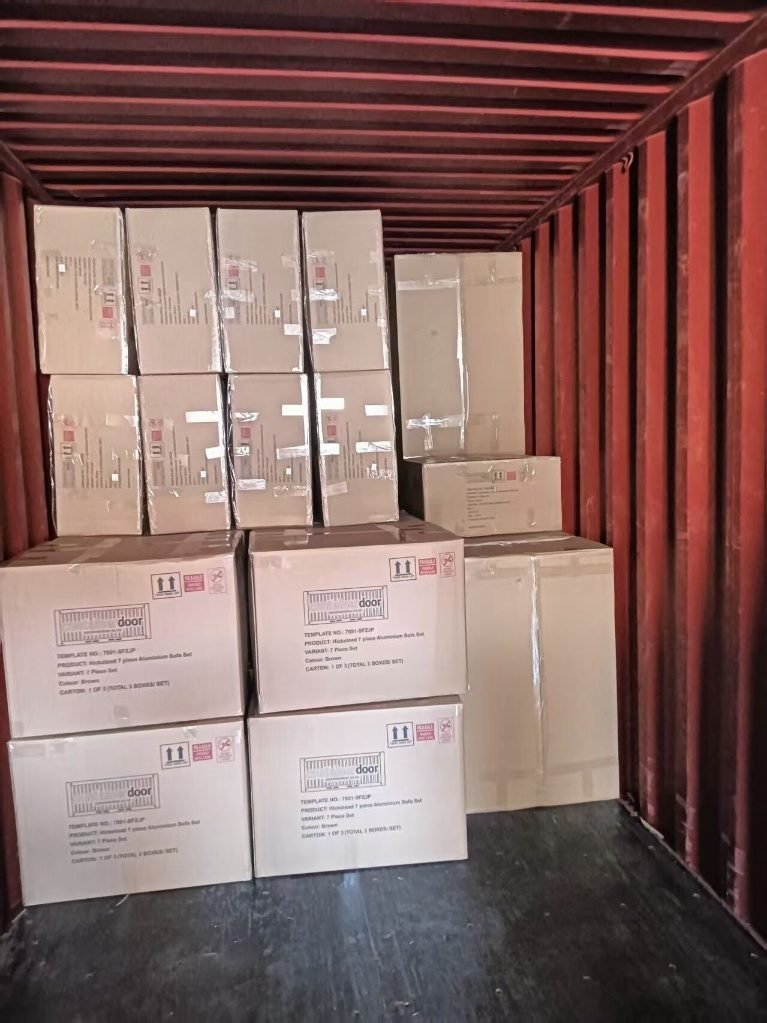
A loading plan should balance utilization, handling, weight distribution and damage prevention. Sequence cartons so the unloading team can identify and access the goods. Prevent concentrated pressure on weak cartons. Use appropriate blocking, bracing or securing methods. The IMO/ILO/UNECE CTU Code is a useful reference for safe packing and securing practice across the intermodal chain.
- Match the plan to the booked equipment.
- Record the container condition before loading.
- Keep loading photos tied to the shipment reference.
Which documents control outdoor furniture logistics?
Commercial, packing and transport documents must describe the same shipment consistently. Review the commercial invoice, packing list, transport document, origin or compliance documents when required, carton marks and purchase order references. The buyer should define who prepares, checks and releases each document and when corrections must be completed.
- Use consistent model and quantity references.
- Check consignee and notification details.
- Send draft documents before the correction deadline.
How can buyers reduce delivery and claims risk?
Reduce risk by designing the receiving process before the goods depart. Confirm the destination’s appointment rules, vehicle access, unloading equipment, labour, storage and inspection procedure. Record visible damage at receipt and preserve packaging and shipment evidence when a claim may be required. Link any repeated issue to a corrective packing action.
- Share unloading constraints with the supplier early.
- Inspect critical cartons promptly.
- Track corrective actions by model and packing version.
How does outdoor furniture logistics fit the sourcing workflow?
outdoor furniture logistics should connect product selection with the full wholesale buying path. Use the following sequence and keep a dated record of each approval:
- Step 1: Confirm model mix, destination and delivery objective.
- Step 2: Approve packing construction, carton data and marks.
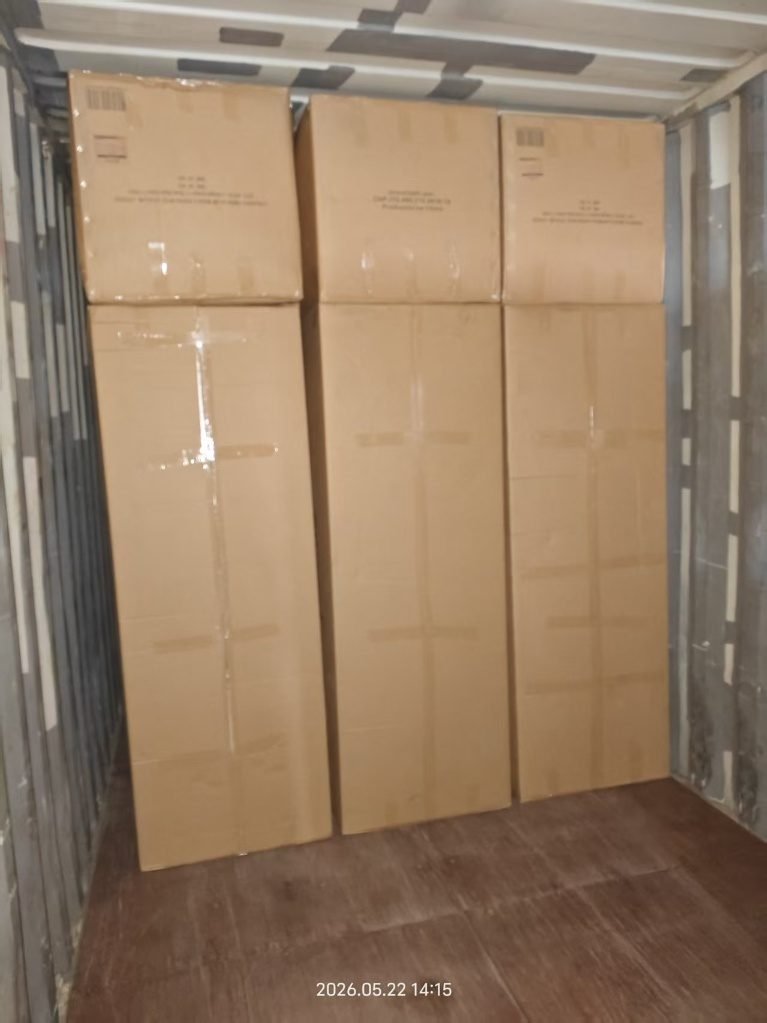
- Step 3: Build and review the mixed-order loading plan.
- Step 4: Complete loading, securing, photos and document checks.
- Step 5: Prepare broker, delivery and receiving teams before arrival.
What belongs in a outdoor furniture container shipping RFQ?
A useful RFQ for an outdoor furniture shipment should include the following inputs. Missing information can be marked as open, but it should not be silently guessed:
- model and quantity mix
- destination port or address
- target shipping window
- packing and labelling rules
- container/equipment preference
- receiving constraints
Yoho Outdoor can use these inputs to qualify the request, recommend current models, identify sample needs and prepare the next commercial step. This is how outdoor furniture container shipping supports lead quality rather than attracting only general traffic.
What proof should a buyer review before ordering?
Proof should be current, model-specific and traceable. For an outdoor furniture shipment, the review file should contain:
- final carton data
- approved packing specification
- mixed-order loading plan
- loading and securing photos
- shipment document checklist
Use external references for general rules, then apply them to the actual product and market. IMO/ILO/UNECE CTU Code provides a useful reference at https://www.imo.org/en/ourwork/safety/pages/ctu-code.aspx. The buyer remains responsible for destination-specific legal, customs, installation and compliance advice.
Frequently asked questions about outdoor furniture container shipping
What is outdoor furniture container shipping?
It is the controlled process of packing, loading, documenting, moving and receiving an outdoor furniture order in a container or intermodal unit.
Why are carton dimensions important?
Carton dimensions determine utilization, stacking and handling. Product dimensions alone do not show how the finished shipment will use container space.
Can transit time be guaranteed?
A supplier should not publish one universal transit time. Routing, carrier schedules, port conditions, customs and final delivery affect the actual result.
What should a buyer send for a loading estimate?
Send the model list, quantities, destination, target shipping window, packing requirements, equipment preference and any receiving limits.
Related Yoho Outdoor resources
Request a decision-ready proposal
Request a preliminary loading review using your model list, quantity mix, destination and target shipping window. Include outdoor furniture container shipping in the inquiry subject so the product and sourcing team can route the request correctly. For questions about outdoor furniture logistics, identify the models, market and decision deadline.
Contact Yoho Outdoor for a wholesale, OEM/ODM, sample or project discussion.