2026 Outdoor Furniture Trends: What B2B Buyers Need to Know
Outdoor furniture trends 2026 are defined by five forces: sustainable materials now account for 30%+ of new product development requests; earth-tone palettes have replaced grey as the dominant color family; commercial-grade furniture is growing 25% faster than residential; smart features (LED lighting, USB charging) command 20–30% price premiums; and regional market divergence means a one-size-fits-all product strategy no longer works. For B2B buyers — importers, retailers, hospitality procurement teams, and project contractors — understanding these five forces is the difference between a catalog that sells through and one that collects dust.
According to the Grand View Research outdoor furniture market report, the global outdoor furniture market is expected to reach $57.8 billion by 2030, driven by increasing demand for sustainable and commercial-grade products.
1. Material Trends Shaping Outdoor Furniture in 2026
The materials conversation in 2026 outdoor furniture trends is no longer just about durability and price — it’s about story, sustainability, and specification precision. Buyers who understand the nuances of each material direction will source better products at better margins.

| Material | 2026 Trend Status | Growth Rate | Best For | Price Position |
|---|---|---|---|---|
| PE Rattan | Volume leader | Stable (+5%) | All markets | $ |
| Powder-Coated Aluminum | Fastest growing | +18% YoY | Coastal/poolside | $$ |
| Sustainable/Recycled | Emerging mainstream | +32% YoY | EU/eco-conscious | $$ |
| Mixed Materials | Design differentiator | +24% YoY | Premium retail | $$$ |
| 304 Stainless Steel | Premium niche | +8% YoY | Luxury/coastal | $$$$ |
PE Rattan Continues to Dominate
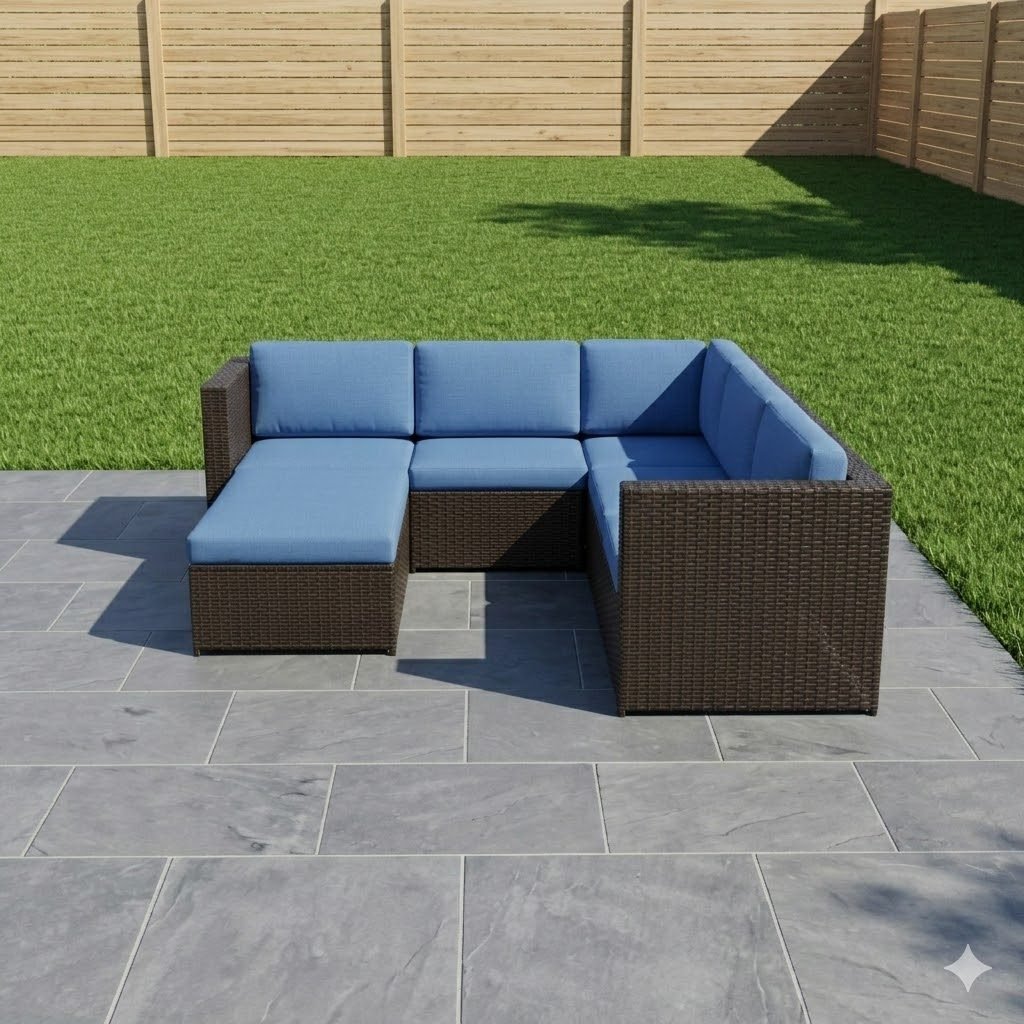
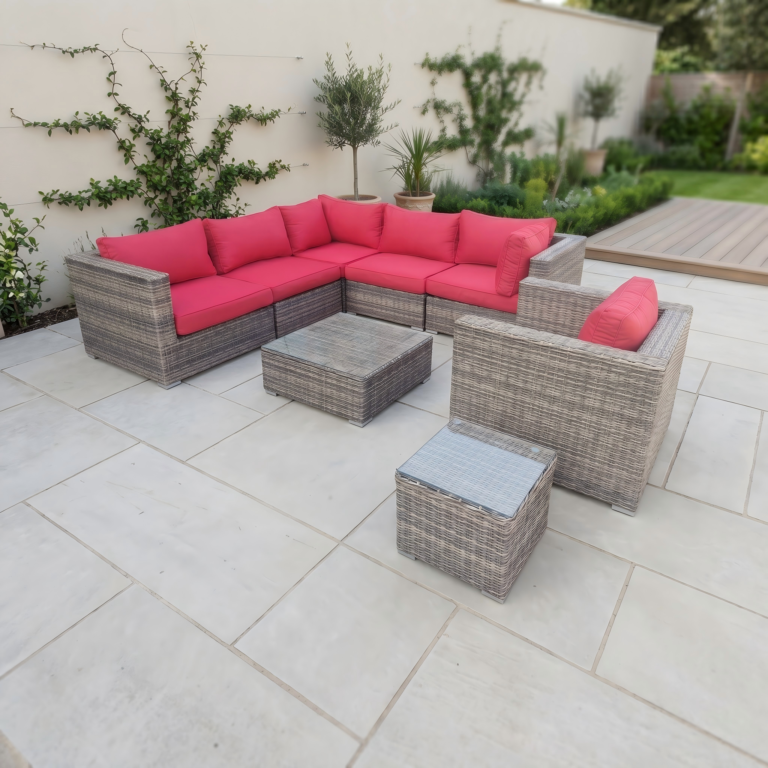
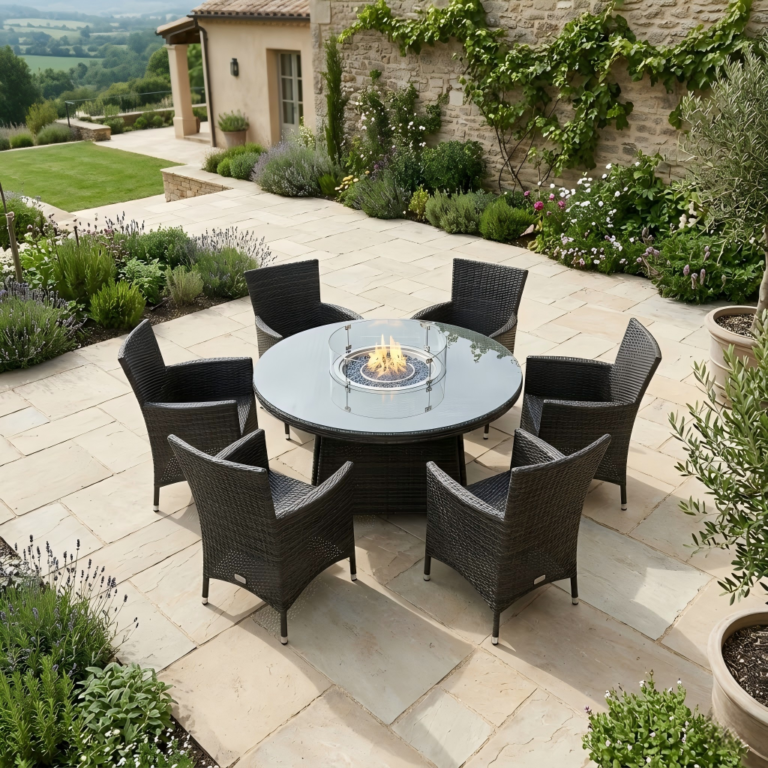
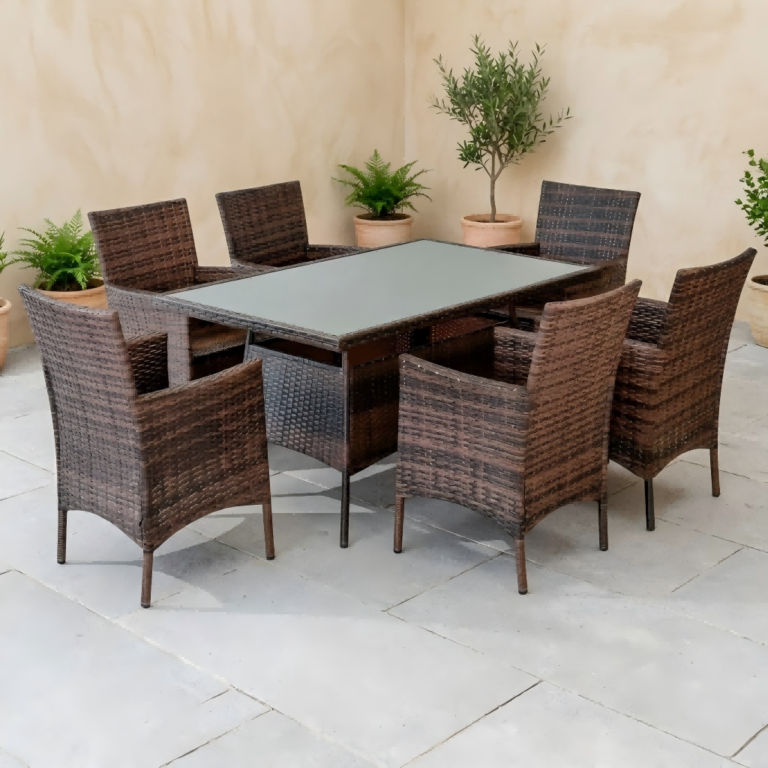
PE Rattan remains the volume king of outdoor furniture materials. Its advantages are well-documented: UV resistance, waterproof performance, low maintenance, and cost-effectiveness that delivers strong retail margins. What’s new in 2026 is the sophistication of PE Rattan weaving patterns — buyers can now choose from 50+ weave textures, from classic round reed to flat tape to half-round, each creating a distinct visual identity. For importers building private-label collections, PE Rattan offers the widest range of differentiation options at the most accessible price point.
Aluminum Goes Mainstream
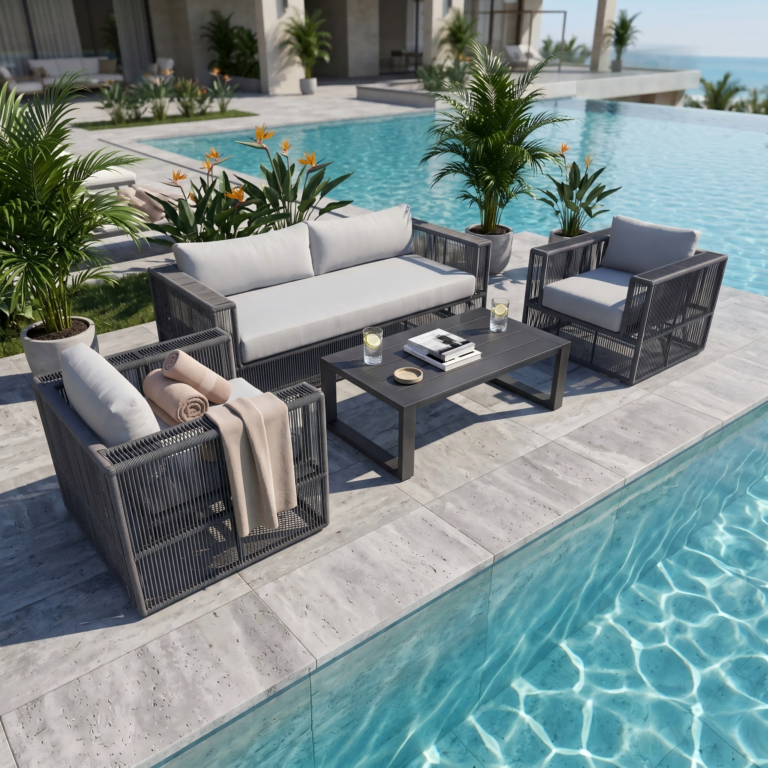
Aluminum outdoor furniture has crossed the tipping point. Once considered a premium option, powder-coated aluminum is now priced competitively with steel in many product categories. The advantages are compelling: 60% lighter than steel (reducing shipping costs per unit), naturally rust-proof (eliminating the annual maintenance cycle), and compatible with modern minimalist aesthetics that dominate contemporary hospitality design. For poolside, coastal, and high-humidity applications, aluminum is now the default recommendation.
According to Yoho Outdoor’s 2026 order data, aluminum frame furniture now accounts for 45% of all new product development requests — up from 28% in 2023. The material’s growth is driven by its weight advantage (60% lighter than steel), which directly reduces per-unit ocean freight costs by an estimated $0.80–$1.20 per piece in mixed-container shipments.
The Rise of Sustainable Materials
Sustainable outdoor furniture has moved from niche to mainstream. Over 30% of new product development requests from global buyers now specify recycled or responsibly sourced materials. FSC-certified teak, recycled PE Rattan, and ocean-recovered plastics are no longer “nice to have” — they’re becoming baseline requirements for European retailers and hospitality groups with ESG commitments. For wholesale buyers, offering a documented sustainable line opens doors to accounts that were previously inaccessible.
Mixed Material Designs
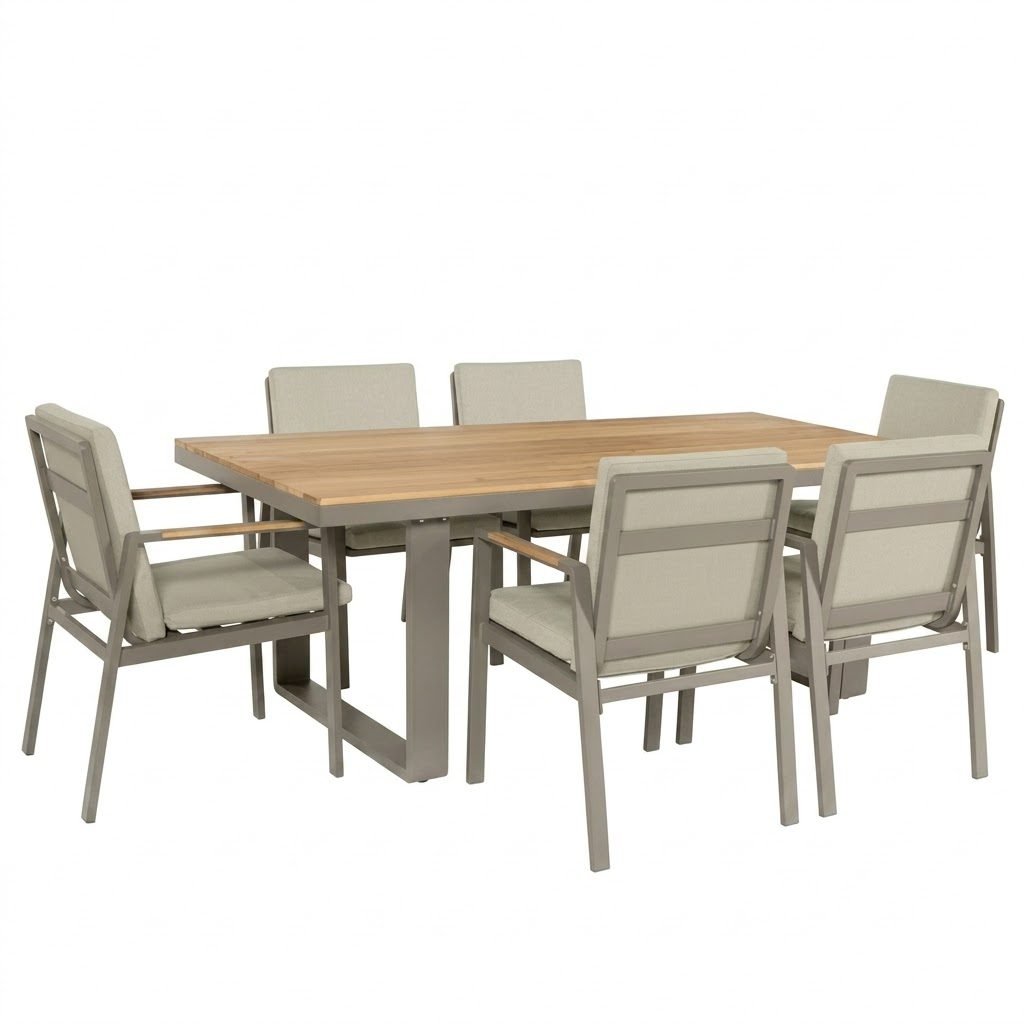
The most visually distinctive products in 2026 combine two or three materials in a single piece. Aluminum frames with rope weaving. Teak tabletops with stainless steel bases. Rattan seats with fabric cushions on powder-coated legs. These mixed designs create texture, depth, and visual interest that single-material products cannot match. For retailers, mixed-material pieces photograph better, display better, and command higher price points — making them essential for any competitive outdoor furniture collection.
2. Color and Design Directions in 2026 Outdoor Furniture
Color trends in 2026 outdoor furniture reflect a broader cultural shift toward calm, nature-inspired living spaces. The pandemic-era preference for bold, “statement” outdoor furniture has given way to a more refined, enduring aesthetic.
For more on global design trends, see Architectural Digest’s outdoor furniture trend analysis.
| Color Family | 2026 Status | Key Shades | Best Applications |
|---|---|---|---|
| Earth Tones | Dominant | Sand, Khaki, Olive, Terracotta | Core furniture frames, cushions |
| Warm Neutrals | Strong | Warm grey, Taupe, Cream | Rattan, fabric, accessories |
| Bold Accents | Complementary | Navy, Forest Green, Charcoal | Cushions, pillows, accessories |
| Metallic Finishes | Emerging | Brushed gold, Matte black | Frames, hardware details |
The Return of Earth Tones
Sand, khaki, olive green, terracotta, and warm neutrals define the 2026 color palette. These tones create a seamless transition between indoor and outdoor living spaces — a design priority for both residential homeowners and hospitality designers. Earth tones also have a practical advantage: they show less dirt and weathering than lighter colors, reducing the maintenance burden for commercial applications. For wholesale buyers, earth-toned collections have longer shelf life and lower markdown risk.
Bold Accents
While earth tones form the foundation, strategic accent colors add personality. Deep navy blue, forest green, charcoal, and burnt orange appear in cushions, throw pillows, and decorative accessories. These accents allow end consumers to refresh their outdoor look seasonally without replacing core furniture — a pattern that drives repeat accessory purchases for retailers.
Minimalist Modern
Clean lines, geometric forms, and “less is more” design philosophy continue to dominate. This aesthetic aligns with the broader home design trend toward uncluttered, intentional living spaces. For manufacturers, minimalist designs are often simpler to produce and pack more efficiently (fewer decorative elements mean smaller cartons), creating a win-win for production costs and shipping economics.
3. Commercial vs Residential Market Shifts in 2026
The commercial outdoor furniture market is outpacing residential growth by a significant margin in 2026. Understanding why — and what it means for your product mix — is essential for 2026 planning.
According to Statista’s outdoor furniture market forecast, commercial outdoor furniture demand is projected to grow at 6.2% CAGR through 2030.
Commercial Segment Growth
Hotels, resorts, restaurants, and commercial properties are investing heavily in outdoor spaces. Post-pandemic, businesses recognize that well-designed outdoor areas generate direct revenue (outdoor dining covers, poolside cabana rentals) and indirect value (guest satisfaction, social media visibility). This has driven a 25% increase in commercial outdoor furniture procurement — and the trend is accelerating.
Key Commercial Demands
Commercial buyers operate under different constraints than residential customers:
- Durability: Furniture must withstand 8–12 hours of daily use, 365 days per year
- Maintenance: Materials must be cleanable in minutes, not hours
- Stackability: Off-season storage requires furniture that stacks flat
- Warranties: 5-year commercial warranties are now standard, not premium
- Compliance: Fire safety, load testing, and chemical safety certifications are mandatory
Residential Market Evolution
The residential market is “trading up.” Homeowners who invested in outdoor living during the pandemic now demand commercial-grade quality for their own spaces. This creates a “prosumer” segment willing to pay 30–50% more for furniture that matches hospitality standards. For retailers, positioning residential lines as “commercial-grade” commands premium pricing and higher margins.
4. Smart Features and Technology in Outdoor Furniture 2026
Technology integration in outdoor furniture is no longer gimmick — it’s a legitimate value driver that commands premium pricing and differentiates collections in crowded markets. The 2026 outdoor furniture trends show smart features becoming mainstream.
| Smart Feature | Cost Impact | Perceived Value | Adoption Rate | Best Categories |
|---|---|---|---|---|
| LED Lighting | +10–15% | High | Fast growing | Tables, Umbrellas, Pergolas |
| USB Charging | +5–8% | Medium-High | Moderate | Side tables, Lounge sets |
| Bluetooth Speakers | +12–18% | Medium | Early stage | Lounge chairs, Daybeds |
| Wireless Charging | +8–12% | Medium | Early stage | Tables, Bars |
LED Integration
Solar-powered LED lighting built into table bases, chair frames, umbrella ribs, and pergola structures is one of 2026’s fastest-growing features. The technology is mature (solar panels now charge reliably in partial shade), the cost is manageable (adds 10–15% to manufacturing cost), and the perceived value is high (consumers associate LED features with premium products). For restaurants and hospitality venues, LED-integrated furniture extends outdoor operating hours without additional lighting infrastructure.
Weather-Resistant Tech
Waterproof Bluetooth speakers, USB-A and USB-C charging ports, and Qi wireless charging surfaces are being engineered into outdoor furniture. These features target a specific buyer persona: the tech-forward consumer who expects their outdoor space to match their indoor connectivity. For wholesale buyers, tech-enabled furniture creates an entirely new product category with limited competition and healthy margins.
5. Regional Market Differences for Outdoor Furniture in 2026
One of the most common mistakes in outdoor furniture sourcing is assuming global uniformity. Regional preferences are diverging in 2026, and buyers who tailor their product lines to specific markets outperform those who offer generic catalogs.

| Region | Preferred Materials | Style Direction | Key Requirements | Growth Rate |
|---|---|---|---|---|
| North America | Aluminum, PE Rattan | Scale & substance | Durability, low maintenance | +12% |
| Europe | Aluminum, Rope, FSC Wood | Minimalist modern | Sustainability, compliance | +8% |
| Middle East | Stainless Steel, Premium Rattan | Luxury statement | UV resistance, visual impact | +18% |
| Australia/NZ | Aluminum, Textilene | Practical durable | UV/Coastal resistance | +10% |
North America
The North American market favors scale and substance. Larger furniture frames, deeper seats, thicker cushions, and robust construction define the aesthetic. Aluminum frames with high-performance solution-dyed fabrics (Sunbrella, Agora) are standard for mid-to-premium collections. The market prioritizes durability and low maintenance — buyers expect furniture to last 7–10 years with minimal care.
Europe
European buyers prioritize design integrity and environmental credentials. Minimalist Scandinavian-influenced aesthetics, FSC-certified materials, and space-efficient designs are essential. The market has stricter chemical compliance requirements (REACH, SVHC) and values third-party certifications. For wholesale buyers serving European markets, documentation and compliance are as important as product design.
Middle East
The Middle Eastern market demands luxury and visual impact. Large-scale furniture for villas, high-end materials (stainless steel, marble accents, premium rattan), and statement pieces that photograph well for social media are priorities. Climate considerations (extreme heat, sand, UV exposure) make aluminum and synthetic rattan the preferred material choices.
Australia and New Zealand
With year-round outdoor living culture, Australian buyers need furniture that performs under intense UV exposure and coastal conditions. Aluminum frames, quick-dry mesh fabrics, and Textilene/PVC straps are essential. The market values practicality over ornamentation and expects furniture to withstand salt air, pool chlorine, and 40°C+ summers without degradation.
6. What 2026 Outdoor Furniture Trends Mean for Wholesale Buyers
Translating 2026 outdoor furniture trends into purchasing decisions requires a framework. Here’s how to operationalize these trends in your sourcing strategy.
For a comprehensive sourcing framework, see our outdoor furniture buying guides hub.
Sourcing Strategy Recommendations
- Plan 6 months ahead: Order in Q4 for Q2 delivery to capture off-peak freight rates and guaranteed production slots
- Diversify materials: Allocate 50% to proven performers (PE Rattan, aluminum), 30% to emerging trends (mixed materials, sustainable), and 20% to innovation testing
- Segment by market: Build distinct product lines for North America (scale), Europe (compliance), Middle East (luxury), and Australia (durability)
- Add smart features selectively: Start with LED integration (lowest risk, highest perceived value) before expanding to tech-enabled categories
Inventory Planning Framework
| Category | Allocation | Purpose | Risk Level |
|---|---|---|---|
| Trend products | 30% | Capture emerging demand, test market response | Medium |
| Classic bestsellers | 50% | Maintain steady sales, proven performers | Low |
| Innovation/R&D | 20% | Evaluate new concepts, differentiate catalog | High |
Buyers who adopt trend-driven inventory planning report 18% higher sell-through rates compared to those using traditional “reorder bestsellers” approaches. The key is balancing proven performers (50%) with trend-forward products (30%) and innovation testing (20%) — this mix captures emerging demand while maintaining baseline sales stability.
Key Takeaways: 2026 Outdoor Furniture Trends
- Material trends: PE Rattan and aluminum dominate; sustainable materials are now baseline, not premium
- Design direction: Earth-tone palettes and minimalist modern aesthetics define 2026 outdoor furniture
- Market opportunity: Commercial segment growing 25% faster than residential — build hospitality-ready product lines
- Technology: Smart features (LED, charging) command 20–30% premiums with limited competition
- Regional strategy: One-size-fits-all no longer works — tailor product lines to specific markets
- Sourcing advice: Plan early, diversify materials, and build supplier partnerships that support trend-driven development
Outdoor Furniture Trends 2026 — Frequently Asked Questions
What are the biggest outdoor furniture trends for 2026?
The five defining trends are: (1) sustainable materials becoming standard rather than premium; (2) earth-tone color palettes replacing grey as the dominant family; (3) commercial-grade furniture growing 25% faster than residential; (4) smart features like integrated LED lighting and USB charging commanding significant price premiums; and (5) regional market divergence requiring tailored product strategies rather than global catalogs. For B2B buyers, the most actionable trend is the commercial segment growth — building hospitality-ready product lines opens access to the fastest-growing buyer category.
Which materials are most popular for 2026 outdoor furniture?
PE Rattan remains the most popular material globally due to its durability, cost-effectiveness, and design versatility. Aluminum is the fastest-growing material, having crossed the price parity threshold with steel in many product categories. The emerging trend is mixed-material designs — combining aluminum with rope, teak with stainless steel, or rattan with fabric — which create visual differentiation and command higher price points. For wholesale buyers, a balanced material portfolio (50% PE Rattan, 30% aluminum, 20% mixed/innovation) covers the broadest market demand.
What colors are trending for outdoor furniture in 2026?
Earth tones dominate the 2026 palette: sand, khaki, olive green, terracotta, and warm neutrals. These colors create seamless indoor-outdoor transitions and show less weathering than lighter alternatives. Bold accent colors — navy blue, forest green, charcoal, burnt orange — appear in cushions and accessories, allowing consumers to refresh their look seasonally. For wholesale buyers, earth-toned core collections with accent-color accessories maximize both shelf appeal and repeat purchase potential.
How can B2B buyers capitalize on 2026 trends?
Four actionable strategies: (1) Build a commercial-grade product line targeting hotels, resorts, and restaurants — this segment is growing 25% faster than residential. (2) Add LED-integrated furniture to your catalog — it’s the lowest-risk smart feature with the highest perceived value. (3) Develop market-specific collections for your top 2–3 destination markets rather than offering a generic global catalog. (4) Establish supplier partnerships that support trend-driven product development, not just order fulfillment. The buyers who move first on these strategies will capture market share before competitors adapt.
Get Your 2026 Outdoor Furniture Trends Sourcing Guide
Tell us your target markets, product categories, and volume requirements. Our product development team will prepare a customized trend-aligned sourcing proposal based on 2026 outdoor furniture trends — with product recommendations, pricing, and container optimization scenarios — delivered within 24 hours.